Body Contouring & Skin Removal After Weight Loss

Before & After Body Contouring After Weight Loss Results
Actual surgical patients of Dr. Yoav Kaufman, MD, FACS (unretouched clinical photography; individual outcomes vary).
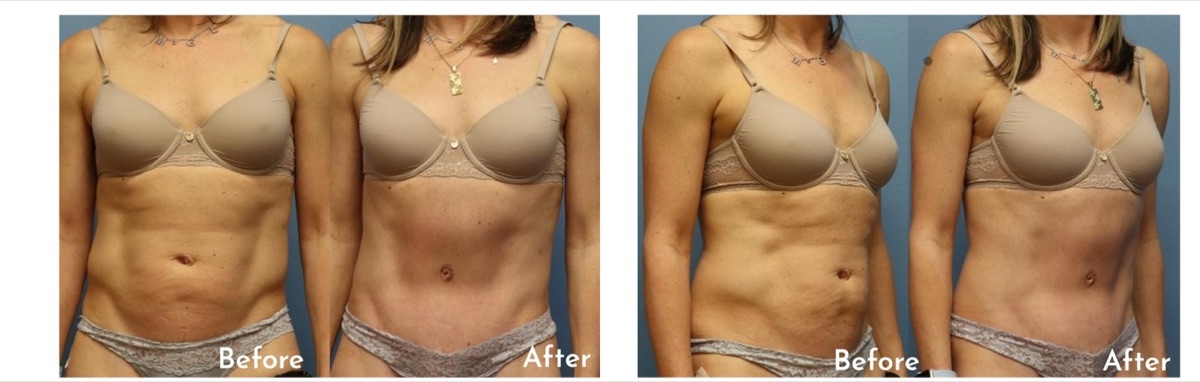
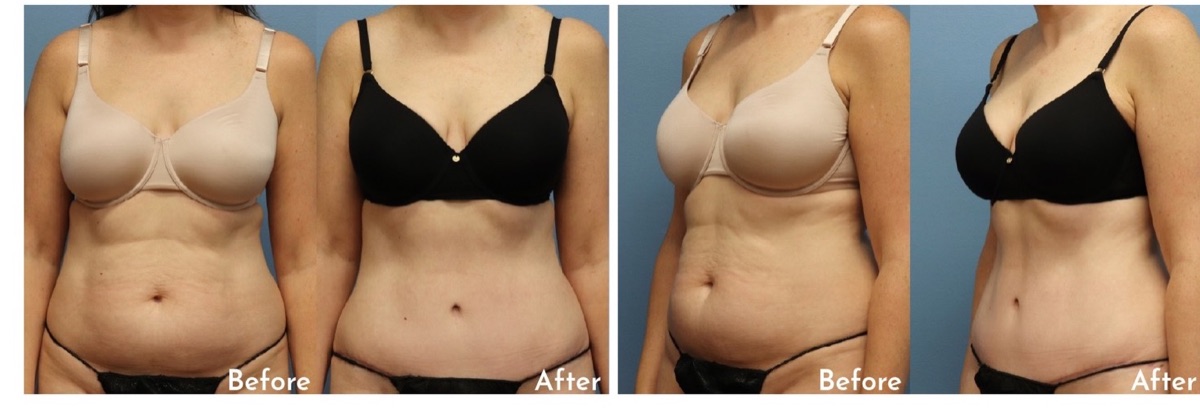
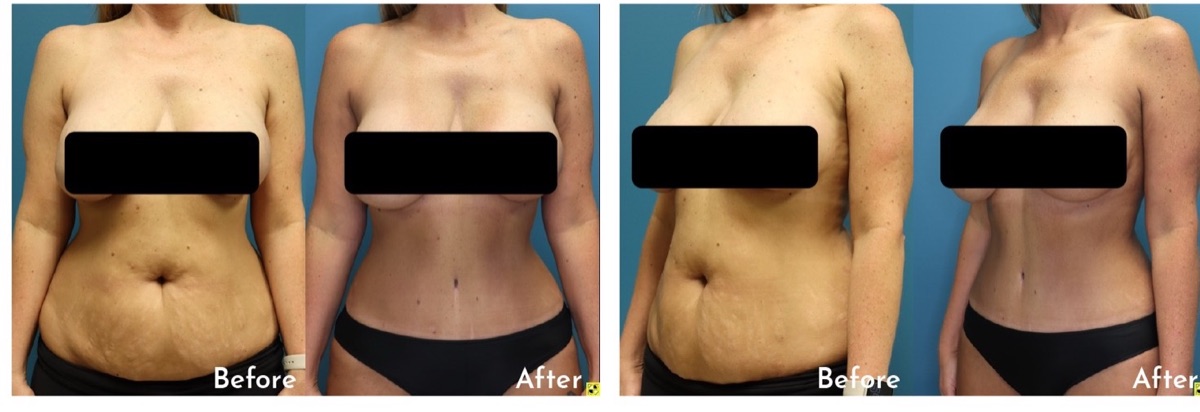
View Complete Before & After Gallery →
Procedure At-a-Glance
| Core Procedures | 360 lower body lift (belt lipectomy), extended tummy tuck, arm lift (brachioplasty), thigh lift, bra-line back lift, and breast lift |
|---|---|
| GLP-1 & Bariatric Expertise | Tailored for inelastic skin envelopes following 50–150+ lb weight loss and medical GLP-1 transformation |
| Staging Strategy | Custom multi-stage surgical roadmap prioritizing safe operative times and smooth healing |
| Anesthesia & Setting | General anesthesia at accredited Kelsey-Seybold Ambulatory Surgery Centers or Houston Methodist hospitals |
| Return to Desk Work | Typically 2 to 3 weeks per stage; full exercise at 6 weeks |
Dr. Yoav Kaufman's Surgical Approach
After losing significant weight through bariatric surgery, GLP-1 therapy, or lifestyle change, stretched skin often lacks the elastin required to snap back—causing rashes, chafing, and clothing frustration that hide your accomplishment.
Dr. Kaufman treats post-weight-loss body contouring as a true 360-degree architectural sculpture—evaluating how tightening the lower abdomen, flanks, and outer thighs lifts surrounding tissues together, placing incisions strategically along natural body creases, and prioritizing safe staging and nutrition.
Who Is a Good Candidate for Body Contouring After Weight Loss?
- Weight has stabilized for 3–6+ months after bariatric surgery, GLP-1 medications (Ozempic, Wegovy, Mounjaro, Zepbound), or diet/exercise
- Loose hanging skin folds on the abdomen, lower back, upper arms, inner thighs, or chest causing discomfort or concealing your weight-loss results
- Healthy nutritional lab work (adequate protein/albumin, iron, and vitamins) and complete nicotine avoidance for 4–6 weeks before and after surgery
- Realistic expectations regarding well-placed scars exchanged for dramatically tighter, lighter body contours
Post-Weight-Loss Body Contouring Procedures Compared
| Procedure | Target Area | Key Aesthetic & Functional Benefit |
|---|---|---|
| 360 Lower Body Lift (Belt Lipectomy) | Abdomen, flanks, hips, lower back & outer thighs | Circumferential tightening that flattens the tummy while lifting sagging hips and buttocks |
| Arm Lift (Brachioplasty) | Upper arms from armpit to elbow | Eliminates loose 'bat-wing' upper-arm skin with incisions tucked discreetly along the inner arm |
| Thigh Lift (Medial / Extended) | Inner and upper thighs | Removes chafing inner-thigh skin laxity and smooths leg contour |
| Bra-Line Back Lift & Breast Lift | Upper back rolls & deflated breasts | Tightens upper-back skin folds hidden under the bra line while restoring lifted breast shape |
Your Consultation & Accredited Surgical Experience
Post-weight-loss surgery requires careful surgical planning, nutritional readiness, and anatomical judgment. At Kelsey-Seybold Berthelsen Main Campus (Houston) or Springwoods Village (Spring / The Woodlands), Dr. Kaufman maps out a personalized, prioritized roadmap—whether a single lower body lift or a safe two-stage upper-and-lower transformation.
Because Dr. Kaufman practices within Kelsey-Seybold's integrated medical network and affiliated Houston Methodist hospitals, pre-operative medical clearance, GLP-1 medication hold coordination, and anesthesia safety are seamless.
Incision Placement & Scar Care
Skin removal requires exchanging loose folds for strategically placed lines tucked inside underwear/swimwear borders, inner arm creases, or the inner thigh groin crease. Meticulous layered closure and post-op silicone scar care help scars flatten and lighten over 6 to 12 months.
Typical Recovery Timeline
- Weeks 1–2: Rest with supportive medical compression garments, gentle short walks every 2–3 hours, high-protein healing nutrition (80–100g/day), and careful incision monitoring.
- Weeks 3–4: Transition back to desk work and daily routines while avoiding heavy lifting or stretching across healing suture lines.
- Months 3–6: Swelling steadily subsides, contours refine dramatically, and patients planning a second stage (such as arms/breasts after lower body lift) are typically ready around 3 to 6 months.
Two Greater Houston Campuses
Consultations are available at Kelsey-Seybold Berthelsen Main Campus (Houston) and Kelsey-Seybold Springwoods Village (Spring / The Woodlands).
Frequently Asked Questions
Most patients are ideal candidates once their weight has remained stable for at least 3 to 6 months, nutritional markers (protein, iron, vitamins) are healthy, and BMI is in a safe surgical range.
A 360 lower body lift combines an abdominoplasty (tummy tuck) in front with circumferential tightening of the flanks, lower back, and outer thighs—lifting sagging gluteal and hip tissues in one continuous contour.
Depending on your health and operative time limits, select combinations can be performed safely together; more extensive transformations are thoughtfully staged 3–6 months apart for safety and optimal scar healing.
Yes. GLP-1 medications slow stomach emptying and typically require a pre-operative hold (often at least 1 week prior to anesthesia, coordinated directly with your pre-op anesthesia nurse and prescribing physician).
A functional panniculectomy (removing a hanging lower-abdominal apron causing documented chronic rashes or infections) may meet insurance criteria for select plans, whereas circumferential cosmetic tightening, muscle repair, arm lifts, and thigh lifts are generally self-pay.
Depending on the extent of laxity, surgical skin removal typically removes 3 to 10+ pounds of excess skin and tissue, creating a dramatic reduction in clothing sizes and physical comfort.
When combining lower body and upper body transformations, staging surgeries 3 to 6 months apart allows complete healing, safe blood counts, and optimal scar quality.